The Future of AI Influencers – Will Virtual Creators Replace Human Brand Ambassadors?


The Emergence of Virtual Brand Ambassadors
Artificial intelligence is greatly influencing the fashion marketing industry, creating a new kind of digital influencer for brands, namely the AI influencer. For instance, a digital influencer named Lil Miquela has already begun working with various big brands in the fashion industry.
This kind of digital influencer, the AI influencer, is created using advanced computer graphics and machine learning technology, and many brands have begun to consider the possibility of replacing the need for brand ambassadors with the use of virtual influencers.
Advantages of AI Influencers for Fashion Brands
There are various advantages associated with using AI influencers, and these advantages make the use of AI influencers appealing to marketers in the fashion industry. For instance, the use of AI influencers gives marketers complete creative control over the influencer. Marketers have the ability to create the influencer in the exact way they want, unlike the case with human influencers.
Another advantage associated with the use of AI influencers is the ability to achieve global scalability. This is because a virtual influencer can participate in more than one campaign at the same time.
Finally, the use of AI influencers gives marketers the ability to have complete control over the brand’s message. This is because the influencer is controlled digitally.
The Importance of Human Authenticity
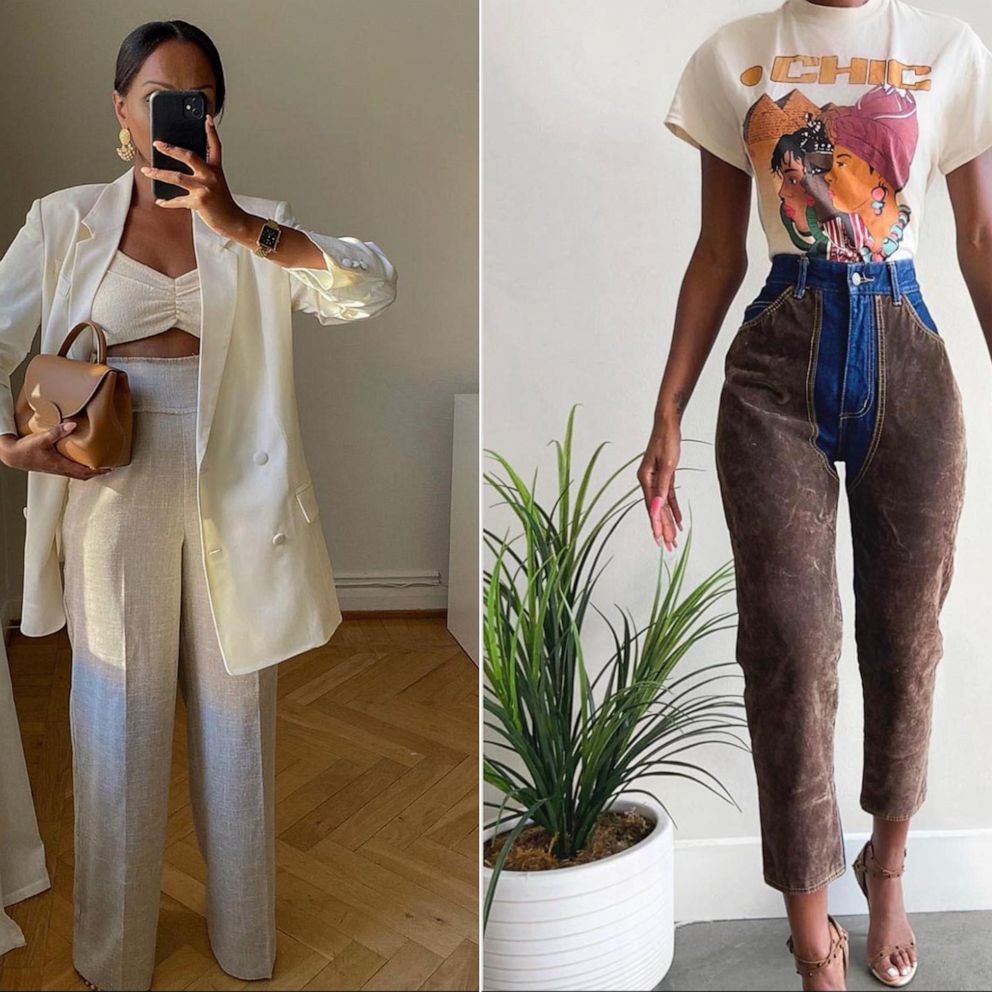

Despite being technically superior, AI influencers might not be able to replace human influencers. One of the main strengths of human influencers is that they are original. People generally prefer to associate with real-life personalities who have their own experiences, views, and lifestyles.
Human influencers are also able to create emotional connections with their audience through stories and real-life experiences, which might be difficult for AI influencers to achieve.
In this context, the consensus among most experts is that the future of fashion marketing lies in a combination of human and AI influencers.
Conclusion
AI influencers are also likely to be a significant part of the marketing mix in the fashion industry. While AI influencers promise the benefits of scale, creative freedom, and the chance to tell new and exciting stories, human influencers also offer authenticity and emotional engagement. It is likely that AI influencers will complement human influencers, opening up new possibilities for creative and data-driven fashion marketing.


Comments
Post a Comment