The Rise of AI Influencers: The Future of Digital Influence in the Fashion Influencer Marketing Industry
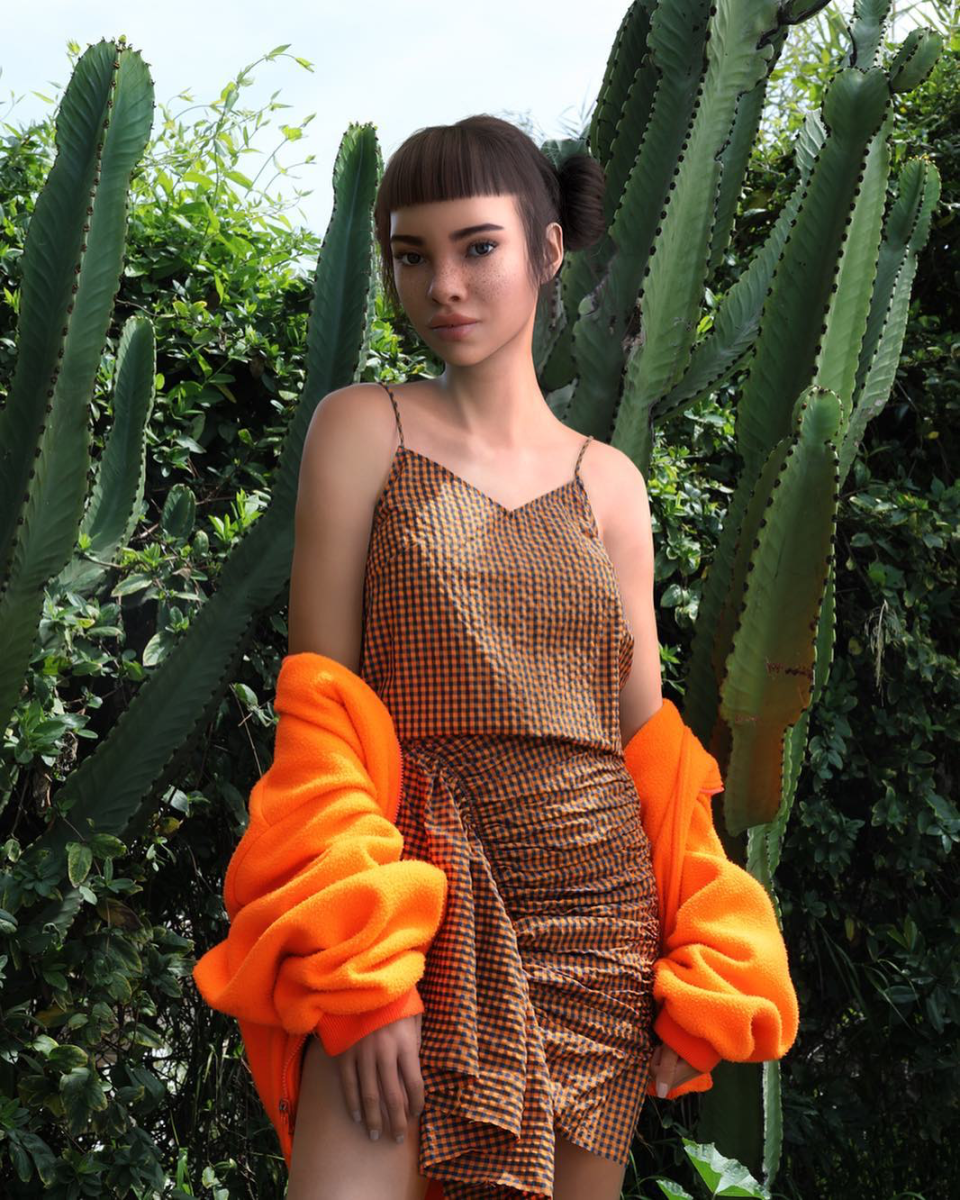

The digital world is changing rapidly, and a new type of influencer has come into existence, which does not eat, sleep, or grow old. AI influencers and virtual creators are computer-generated influencers who can interact with their audience in the same way as any other type of influencer. With millions of followers and working with international brands, virtual influencers are changing the Fashion Influencer Marketing Industry. As technology continues to improve, AI influencers are becoming powerful tools for brands seeking to promote their fashion products and reach the digital audience.
AI influencers are created through the use of advanced technologies like computer-generated imagery and AI. Unlike other influencers, every feature of the AI influencers, including their looks, personality, and lifestyle, is designed by teams of designers, developers, and marketing experts. These virtual influencers also have their own social media accounts where they post their fashion content and interact with their audience. One such virtual influencer is Lil Miquela, who has worked with international fashion brands and has gained millions of followers online.
The Rise of AI Influencers Is Here
Within the Fashion Influencer Marketing Industry, brands are increasingly turning to AI Influencers for a number of reasons, one of which is the complete brand control that a company has when it chooses a virtual influencer as a brand ambassador. This is due to the fact that a virtual influencer is created digitally, and therefore a brand does not run the risk of any controversy that may be caused by a human influencer.
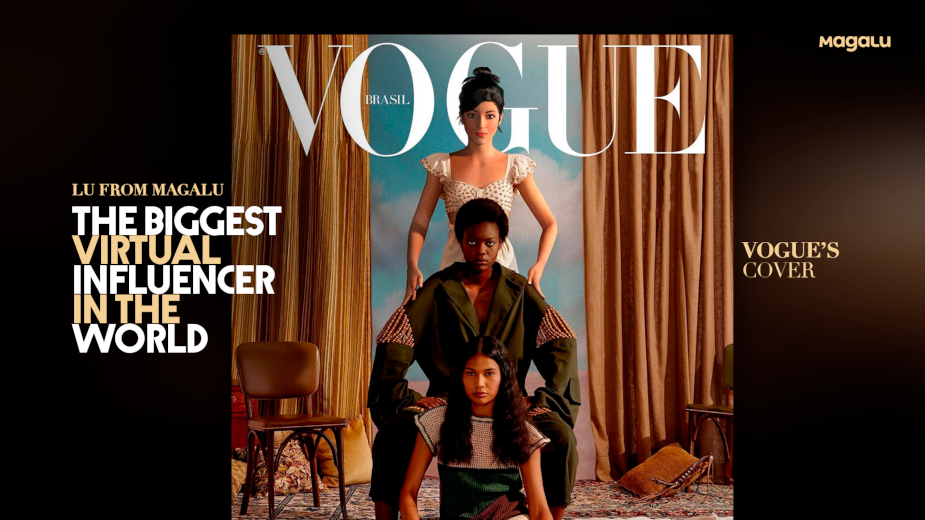
Another important advantage of AI influencers is cost efficiency. Traditional influencer marketing campaigns involve traveling, photoshoots, and production teams. However, AI influencers can take part in online marketing campaigns without any of these issues. Fashion companies can create high-quality promotional videos in a virtual environment, which will help them save money in the long term while keeping the campaigns creative, innovative, and effective. Virtual influencers like Lu do Magalu prove that companies can create strong online engagement with AI influencers.
AI influencers are also effective in reaching Gen Z audiences, as they are familiar with the digital environment. Many Gen Z audiences find AI influencers exciting and innovative, which may lead to increased online engagement with social media platforms. Moreover, AI influencers can be present in multiple environments, communicate in different languages, and be adapted to various cultural markets. All of these features make AI influencers suitable for global fashion marketing campaigns.

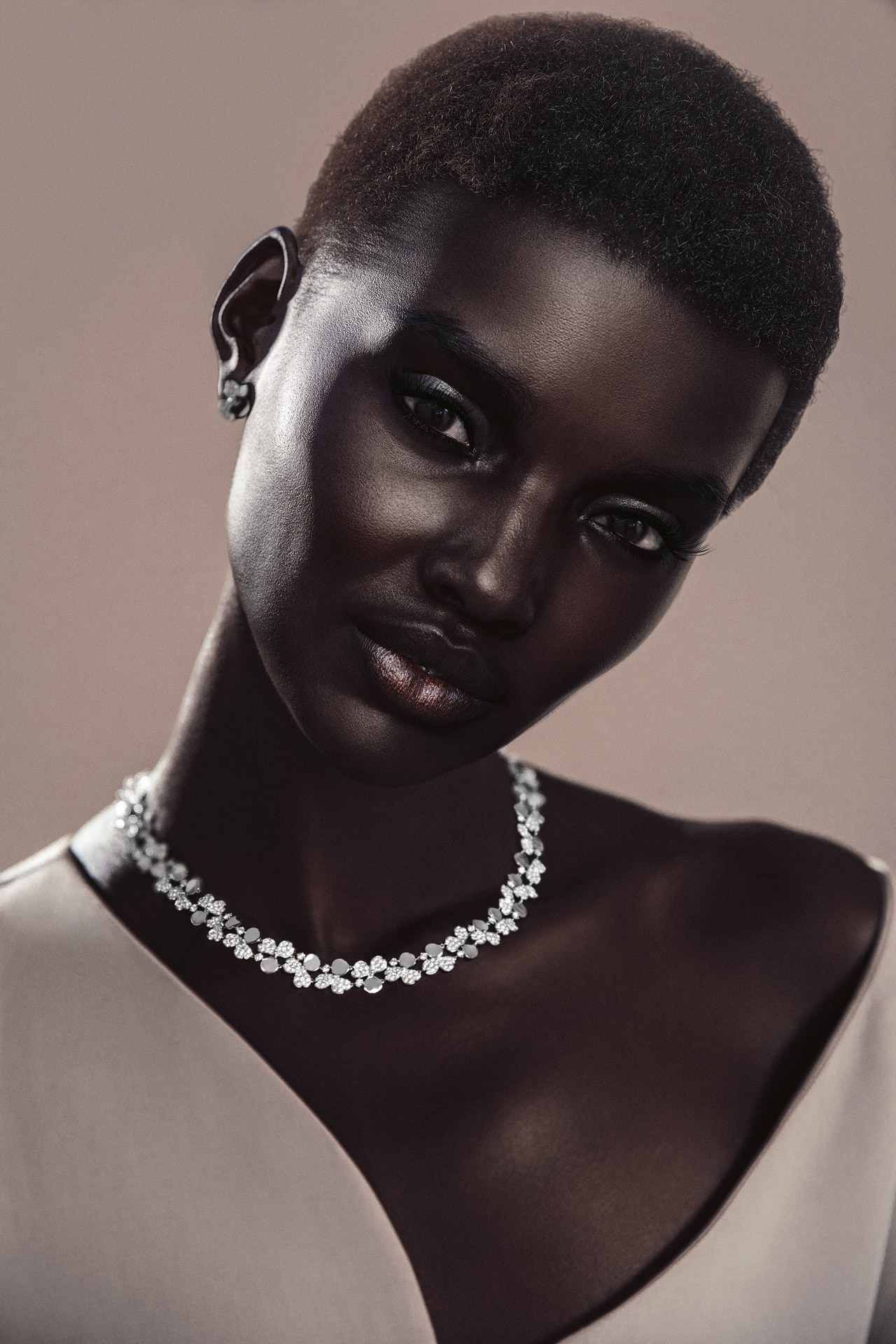
Looking into the future, it is envisioned that the next form of digital influence in the Fashion Influencer Marketing Industry would be a mix of both human and AI influencers. As AI technology continues to evolve, it is envisioned that AI influencers, such as virtual influencers, would be able to provide consumers with a personalized experience, such as recommending what outfit to wear or what style of fashion to wear, depending on consumer preferences. Digital models, such as Shudu, referred to as the world’s first digital supermodel, demonstrate how AI technology is changing the face of online marketing for fashion brands.
Overall, AI influencers mark a significant shift in the way in which fashion brands connect and communicate with consumers in the digital era.


I really liked this blog & it was very helpful.
ReplyDelete